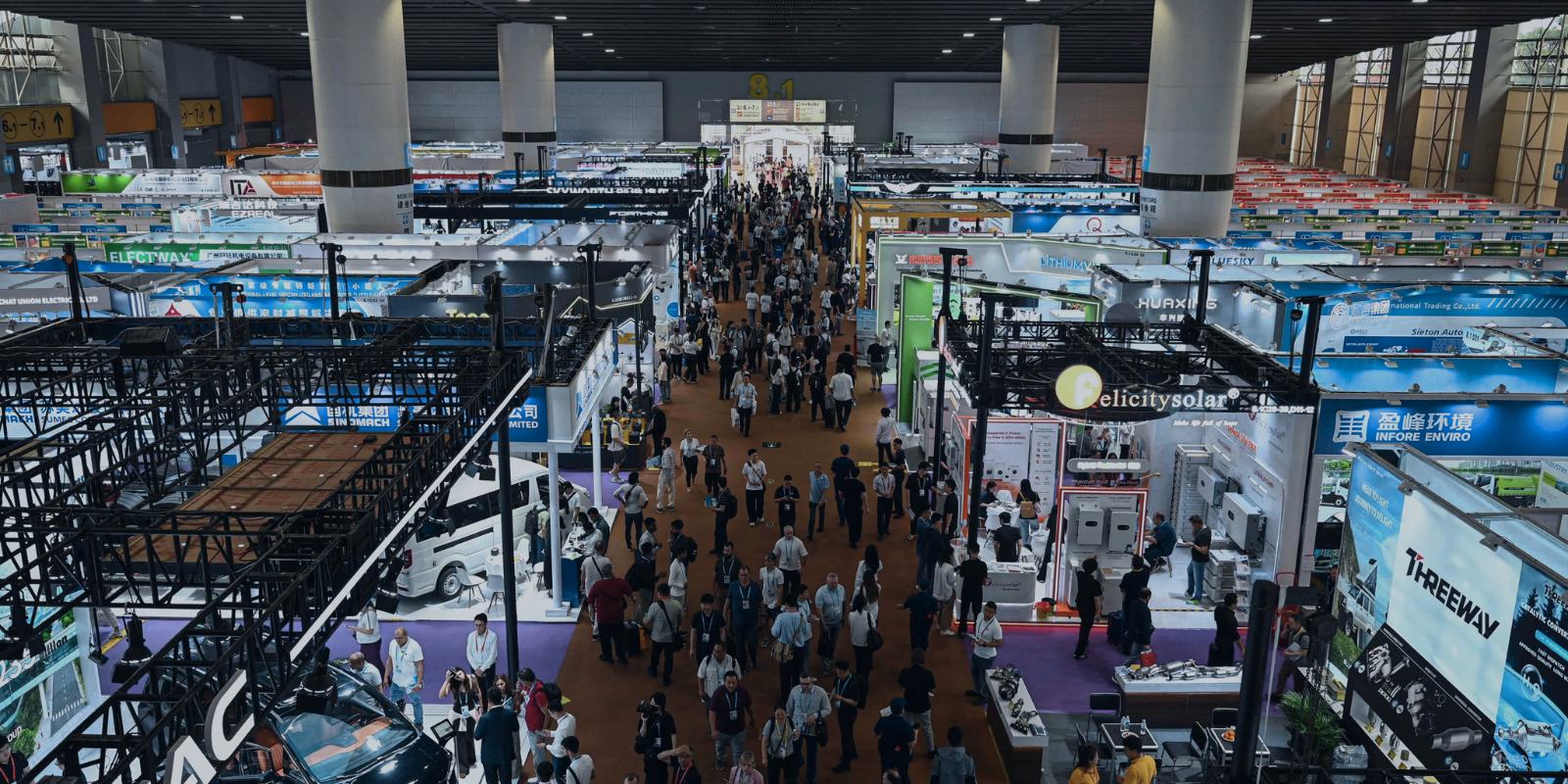
The Canton Fair is China's largest foreign trade fair, and for those who import, it's a chance to see in three weeks what would take months of video calls. The problem is that most first-time visitors return with hundreds of catalogs, dozens of WeChat contacts, and no orders in progress. The difference lies in what was done before boarding.
The three phases are not the same fair
The autumn 2026 edition takes place between October 15 and November 4 at the fair complex in Guangzhou, divided by sector. Going in the wrong phase means wasting the entire trip.
| Phase | Dates | What it exposes |
|---|---|---|
| Phase 1 | October 15 to 19 | Electronics, home appliances, machinery, hardware, construction materials, energy, vehicles, and auto parts |
| Phase 2 | October 23 to 27 | Consumer goods, gifts and home decor |
| Phase 3 | October 31 to November 4 | Textile and apparel, footwear, stationery, health and leisure, food and medical products |
Confirm your phase on the official website before buying a ticket, because the organization may adjust the schedule and the list of sectors from one edition to another.
What to prepare before buying the ticket
Arriving with the order already mapped out changes the conversation at the booth. The exhibitor realizes in thirty seconds whether you know what you want.
- Product datasheet in English, with measurements, material, required certification in Brazil, and reference photo
- Actual volume of the first order and the twelve-month projection, because the price changes with the quantity
- Target price calculated to your door, not just FOB
- Appointment scheduled with factories you have contacted before, with a confirmed time
- Visa and credential settled in advance, in addition to lodging, which sells out fast in the city during the fair
Take material that remains with the supplier
Card with WeChat, a page with your company and your order, all in English. Whoever leaves nothing at the booth turns into a forgotten conversation among four hundred.
Inside the pavilion: separate the factory from the middleman right in the first conversation
A good portion of the booths are trading companies, and that is not a problem in itself. The problem is not knowing. Ask for the production address, monthly capacity, line time, and ask to see the process on video. Those who manufacture reply right away and with numbers.
A good trade show isn't the one that fills your bag with catalogs. It's the one that ends with three suppliers ready for an audit.
The fifteen days after the fair decide the order
Leads go cold fast. Anyone who doesn't follow up in the first week goes back to the end of the line.
- Send the summary of what was discussed, with specifications and quantity, still during the week of the trade fair
- Request a formal quote with payment terms, production lead time, and MOQ in writing
- Request a sample and define who pays for what before ordering
- Choose two or three finalists and have the factory audited before closing
- Only discuss the final price later, because a price without a verified factory is just a guess
What the local presence solves at the trade show
Having someone who speaks Mandarin and knows the market by your side changes three things: the technical conversation happens without noise, the exhibitor understands that there is follow-up at the origin, and the factory visit can be scheduled for the following days while you are still in China. It is the difference between knowing a booth and knowing a supplier.